How Frada Landscaping Installs Paver Patios in Newark, Wilmington & Bear, DE
How Frada Landscaping Installs Paver Patios in Newark, Wilmington & Bear, DE
Frada Landscaping is known for building durable, attractive paver patios that transform backyards in Newark, Wilmington, Bear, and surrounding areas. With more than 20 years of experience and a strong focus on hardscaping, our team follows a proven installation process designed for long-term performance—especially in Delaware’s freeze-thaw cycles and wet seasons.
Here’s a step-by-step look at how Frada Landscaping installs paver patios , from the first visit to the final walkthrough, so you know what to expect and why the details matter.
1. On‑Site Consultation and Patio Design
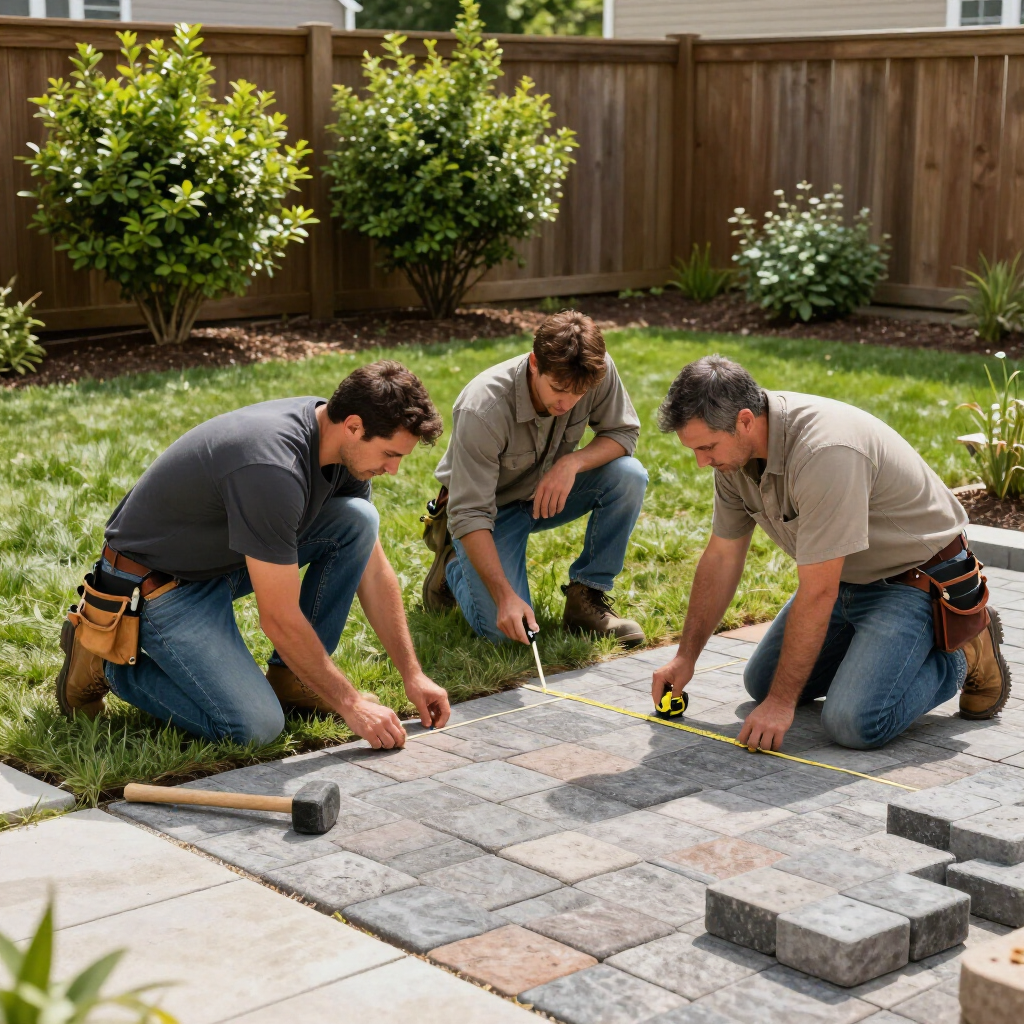
Every project begins with an on-site visit to understand the yard, the home, and how the homeowner wants to use their outdoor space. During this consultation, we discuss patio size, shape, features (like steps, fire pits, or walls), and the homeowner’s budget and timeline. This is also when we look closely at grade changes, existing drainage patterns, and access for materials and equipment.
Next, we recommend paver styles, colors, and patterns that match the house and existing landscaping, and we design a layout that fits the property’s grade and drainage. A detailed written estimate outlines the scope of work so clients know exactly what to expect. If you’re searching for a paver patio contractor Newark DE , this step is where clear communication and scope definition make the whole project smoother.
2. Site Preparation and Excavation
Proper site preparation is critical for a long-lasting paver patio. We begin by marking the patio area and removing existing grass, plants, or old hardscaping in the footprint of the new patio. Protection of nearby landscaping and clean jobsite practices matter here, since the work can impact surrounding beds and lawn edges.
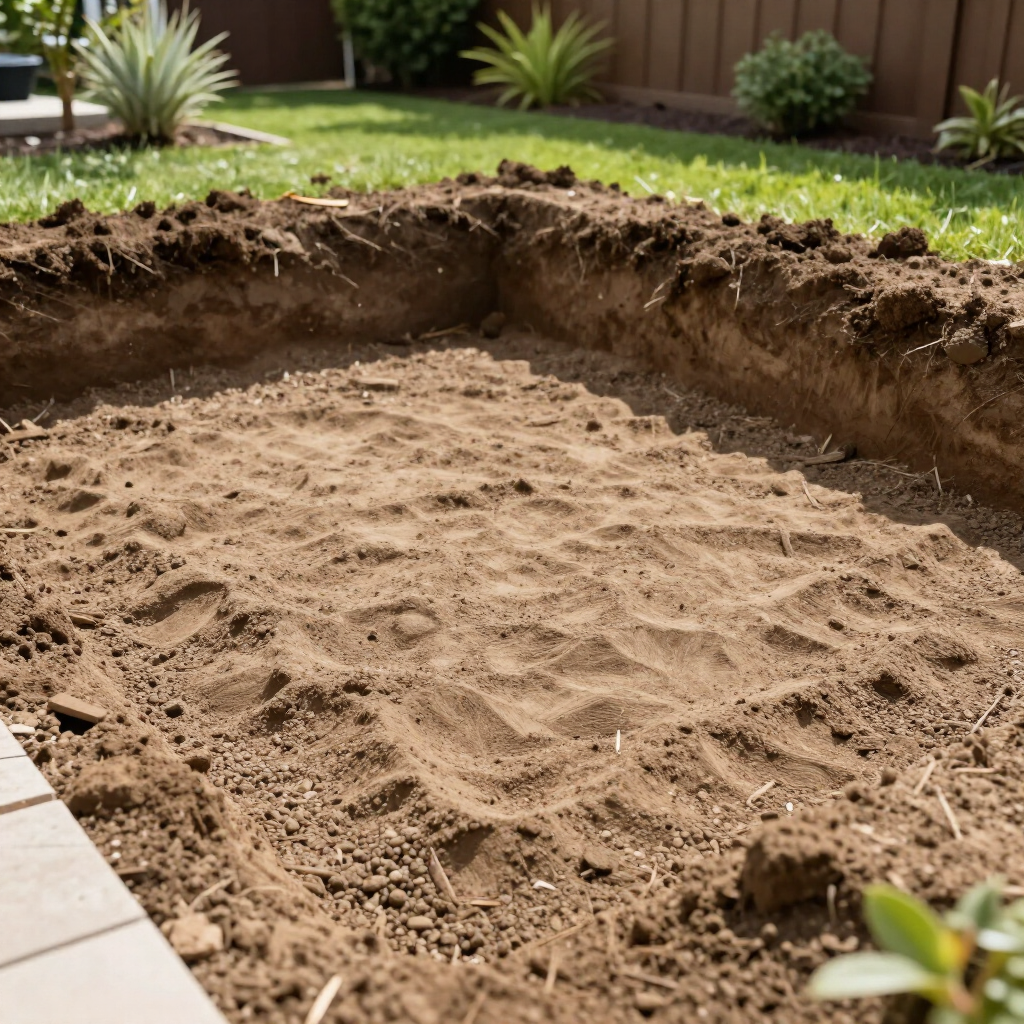
Our crew then excavates the area to the required depth to allow for the compacted base, bedding layer, and pavers, taking into account any steps or transitions to doors and walkways. The subgrade is graded so water will drain away from the house and toward appropriate outlets. This is one of the biggest reasons the paver patio installation process Delaware differs from a “quick” install—drainage and base prep are what keep the patio stable years later.
3. Installing and Compacting the Base
A stable base is what keeps paver patios from settling or shifting over time. We install a base layer of compactable stone (such as crushed stone or similar aggregate) across the excavated area. The specific base depth can vary based on soil conditions, patio use, and whether the project includes heavier features like sitting walls or an outdoor kitchen.
This base material is spread in layers and compacted using professional equipment to create a solid, even foundation that can handle Delaware’s freeze-thaw cycles and regular use. Additional base depth may be used for driveways, heavier loads, or areas with softer soils. This is the “invisible” work that makes the biggest difference in how a patio performs long term.
4. Setting Edge Restraints and Bedding Sand
With the base in place, we install edge restraints around the perimeter of the patio area to keep the pavers locked in position. These can include metal, plastic, or paver edging depending on the design and surrounding landscape. Strong edge restraint helps prevent “creep” over time, especially on patios with curves or frequent traffic.
Next, a layer of bedding sand is spread and carefully screeded to a uniform thickness over the compacted base. This sand layer helps ensure each paver sits evenly and allows for fine adjustments during installation.
5. Laying the Pavers in the Chosen Pattern
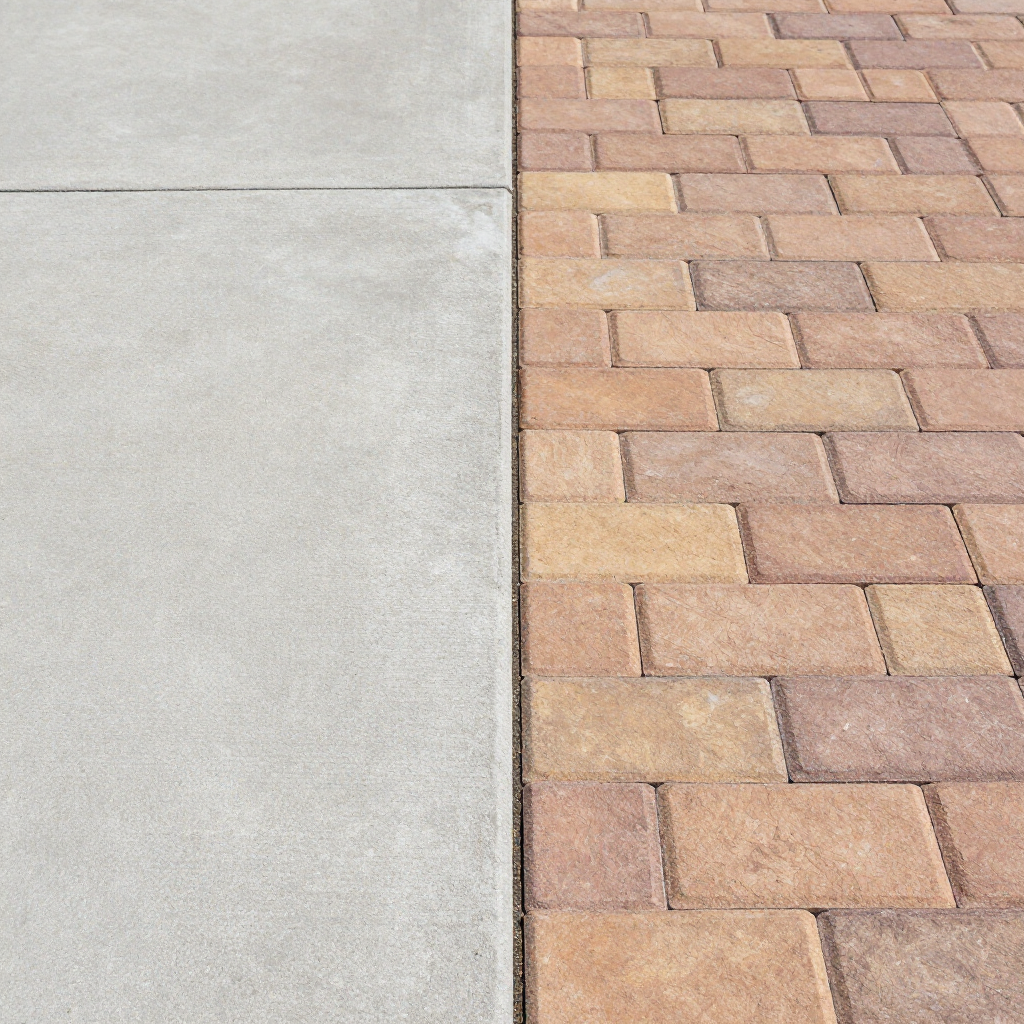
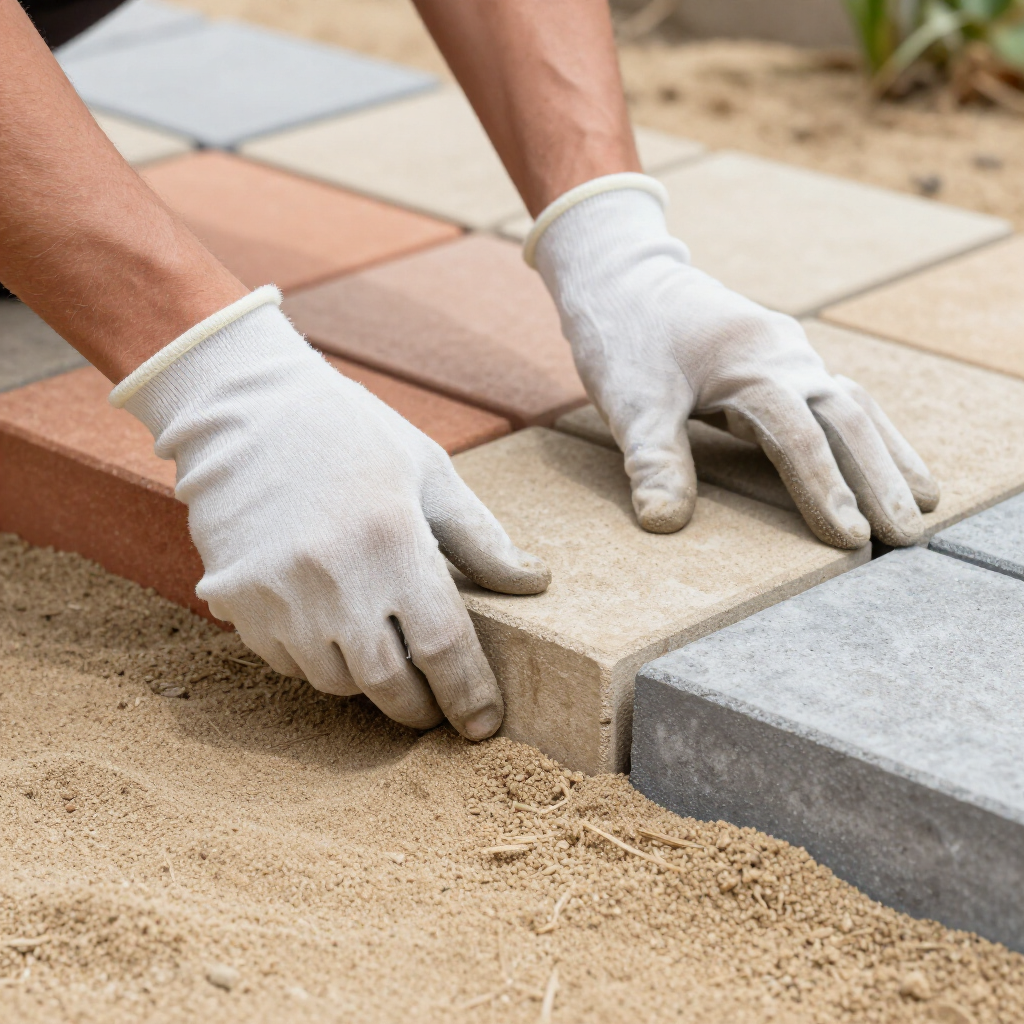
Once the bedding layer is ready, the crew begins laying pavers according to the planned pattern and layout. Frada Landscaping specializes in brick and paver patios Wilmington Bear and surrounding areas, including interlocking pavers for patios, walks, and steps. We set pavers tightly together, with attention to straight lines, curves, and any borders or inlays included in the design.
Alignment is checked frequently, and small adjustments are made to keep the pattern consistent and visually appealing. This is where experience shows: good layout and consistent lines are what make a patio look “custom” instead of pieced together.
6. Cutting and Fitting Border and Edge Pavers
To finish the edges and create a clean, custom look, we cut pavers as needed along borders, curves, and around features such as steps, posts, or fire pits. Precise cutting and fitting ensures the patio’s edges are smooth and that patterns carry through to the perimeter.
Border courses or soldier courses may be installed in a contrasting color or orientation to frame the patio and visually define the space. This detail adds both style and structure to the design.
7. Compacting the Patio and Adding Joint Sand
After all pavers are laid and cut, the surface is compacted with a plate compactor to seat the pavers firmly into the bedding sand. This step locks the units into place and helps even out any minor height differences between pavers.
Joint sand is then swept into the spaces between pavers to fill the joints and interlock the surface. Depending on the project, polymeric sand may be used to help resist weed growth and joint washout when activated with water. This final “lock-in” step is a key part of Frada Landscaping hardscaping steps that helps the patio stay tight and clean-looking.
8. Integrating Steps, Walls, and Other Features
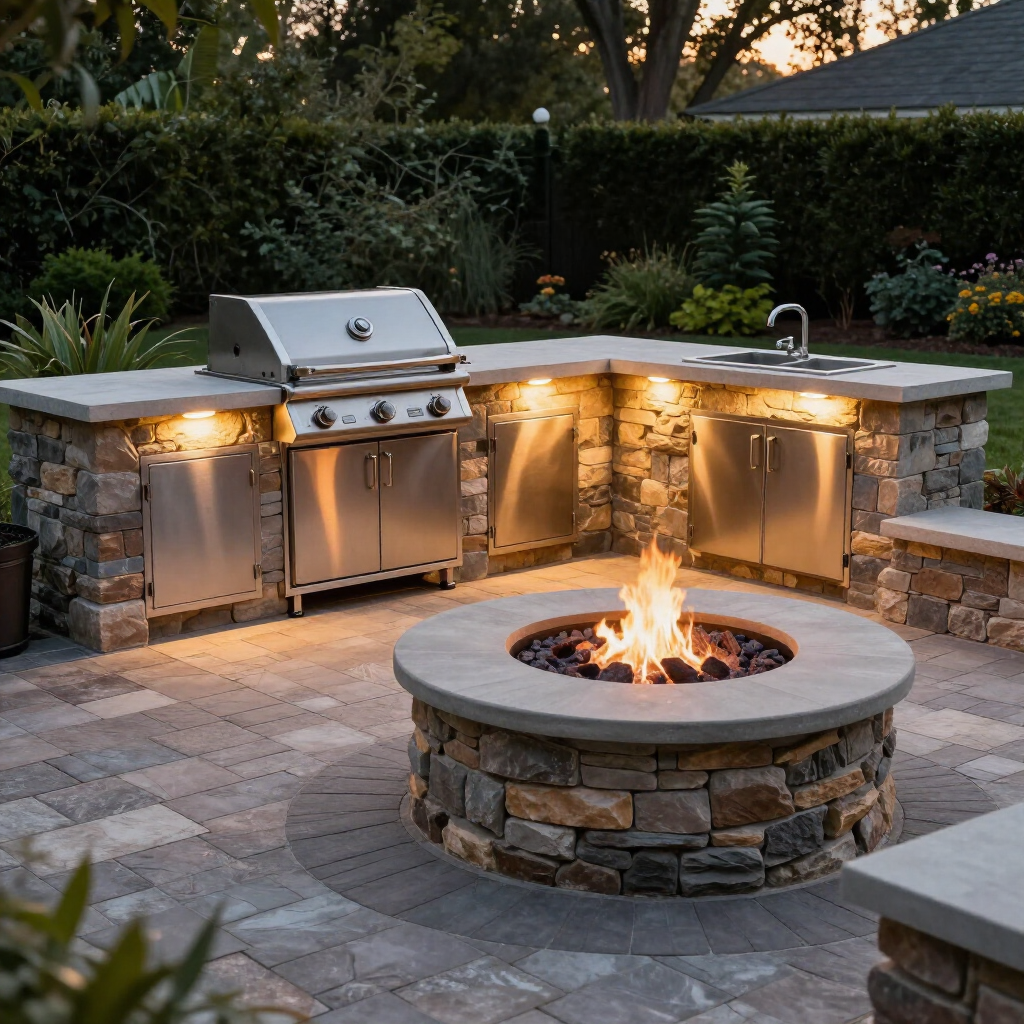
Many Frada Landscaping patio projects include additional hardscape elements such as steps, sitting walls, retaining walls, fire pits, or outdoor kitchens. These features are installed on proper bases and often built with compatible block or stone, then tied visually to the patio with matching or coordinating pavers.
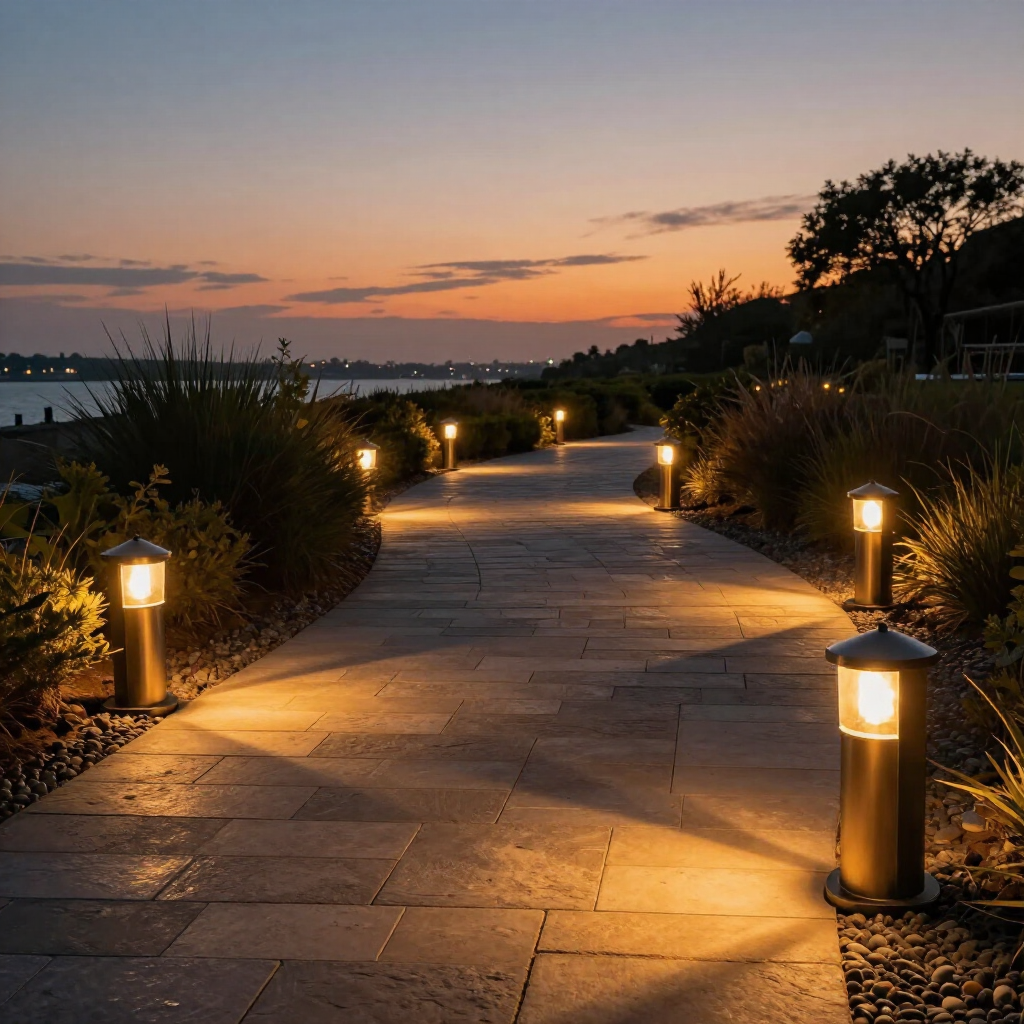
In sloped yards or where erosion is a concern, retaining walls and proper drainage are integrated into the design to keep the patio stable and the yard usable. Landscape lighting can also be installed around steps, walls, and patio edges to extend usability into the evening.
9. Final Cleanup, Walkthrough, and Care Tips
Once construction is complete, we clean up the work area, remove debris, and make sure the patio and surrounding landscape are left neat. A final walkthrough with the homeowner reviews the finished patio, any additional features, and confirms that everything matches the agreed-upon design.
We also explain basic care tips, such as when to avoid heavy use, how to clean the surface, and how to maintain joint sand, so the patio stays looking good and functioning well for years. Many reviews highlight our follow-through, communication, and willingness to stand behind our work if issues arise.
Why Homeowners Choose Frada Landscaping for Paver Patios
Frada Landscaping is a family-run, licensed and insured company focused on high-quality hardscaping and outdoor living projects across New Castle County, including Newark, Wilmington, Bear, and nearby areas. Customer feedback consistently mentions strong craftsmanship, fair pricing, and a commitment to making sure patios, walkways, and walls are done right the first time.
With extensive experience in brick and paver patios and walks, outdoor kitchens, fire pits, retaining walls, and landscape lighting, Frada Landscaping can handle everything from simple patios to full backyard transformations.
Next Steps: Request a Patio Consultation
Our Recent Articles